
Understanding the Impact of Hidden Water Leaks
Water leaks in residential and commercial properties represent one of the most common yet costly plumbing issues facing property owners today. According to industry estimates, a single leaking faucet dripping at one drop per second can waste more than 3,000 gallons annually, while hidden leaks within walls or beneath foundations can go undetected for months, causing structural damage and dramatically inflated utility bills.
In Krugerville and throughout North Texas, seasonal temperature fluctuations create conditions that stress plumbing systems, making leak detection skills essential for property owners. The expansion and contraction of pipes during temperature changes, combined with the mineral-rich water common to this region, increases the likelihood of joint failures and corrosion over time.
Many homeowners and business operators assume that leak detection requires professional equipment or specialized training. While complex issues certainly warrant expert intervention, numerous common leaks can be identified using simple observation techniques and basic household tools. Understanding how to conduct preliminary leak detection not only saves money on water bills but also prevents the secondary damage that occurs when leaks remain unaddressed.
The financial implications extend beyond water waste. Persistent moisture creates ideal conditions for mold growth, wood rot, and foundation settling. Insurance claims related to water damage often exceed other property damage categories, and many policies exclude coverage for damage resulting from long-term undetected leaks. Developing basic leak detection competency serves as a first line of defense for property preservation.
Baseline Water Consumption Analysis
The water meter test represents the most reliable method for confirming whether a leak exists somewhere within your property’s plumbing system. This technique works for both residential homes and commercial facilities, providing definitive evidence of water loss without requiring you to inspect every fixture and pipe.
Begin by locating your water meter, typically found in a ground-level box near the street or property line. Document the current meter reading by writing down all numbers displayed on the dial. For meters with a small triangular or circular indicator, note its position as this flow detector moves even with minimal water usage.
Next, ensure that all water-using appliances and fixtures throughout the property remain completely inactive for at least two hours. This includes dishwashers, washing machines, ice makers, irrigation systems, and all faucets. Inform other occupants that no water should be used during this testing period. For commercial properties, conducting this test during closed hours provides the most accurate results.
After the waiting period, return to the water meter and record the new reading. Any change in the numbers, or movement of the flow indicator, confirms that water is moving through the system despite no intentional usage. This definitively indicates a leak somewhere between the meter and your property’s plumbing endpoints.
For properties with irrigation systems, consider conducting this test twice: once with the main irrigation valve open and once with it closed. This helps isolate whether leaks exist in outdoor lines versus indoor plumbing. Properties in North Texas often experience irrigation line damage from soil shifting during drought periods followed by heavy rain, making this distinction particularly valuable.
Systematic Visual Examination of Accessible Components
Once you have confirmed that a leak exists through meter testing, the next priority involves systematically inspecting all visible plumbing fixtures and connections. Statistics indicate that more than 60% of household leaks occur at fixtures rather than within hidden pipes, making this visual inspection highly productive.
Start with toilet tanks, which account for a substantial percentage of indoor water waste. Add several drops of food coloring to the tank water without flushing. Wait 15 minutes, then check the bowl for colored water. If color appears without flushing, the flapper valve has failed and requires replacement. This simple test identifies leaks that often waste hundreds of gallons monthly while producing no audible sound.
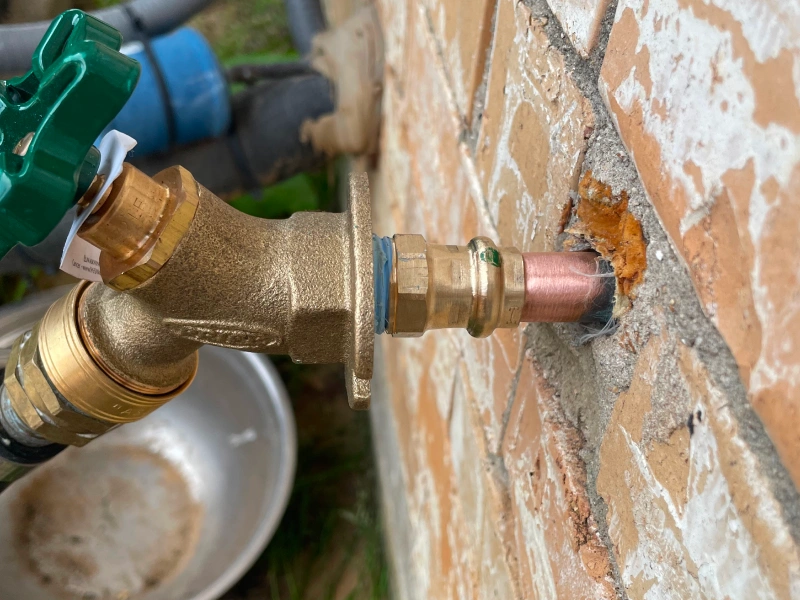
Examine all faucets in kitchens, bathrooms, utility rooms, and outdoor hose connections. Look beyond obvious dripping to identify leaks at the base where the faucet meets the sink or countertop. Water stains, mineral deposits, or warped cabinetry beneath sinks indicate chronic leaking. Run your hand along supply line connections beneath each fixture, feeling for moisture that may not be visible.
Under-sink inspections should include the trap assembly and the connections where supply lines attach to shut-off valves. Use a flashlight and dry paper towel to wipe connections, then check the towel for moisture. Many slow leaks leave surfaces damp rather than producing visible drips, making tactile inspection more effective than visual examination alone.
Water heater connections deserve particular attention, as thermal expansion and contraction create stress on inlet and outlet fittings. Inspect the temperature and pressure relief valve, drain valve, and all connection points at the top of the tank. In regions with hard water like North Texas, mineral buildup at these connection points often creates leak pathways that worsen gradually over time.
Identifying Evidence of Concealed Pipe Leaks
Leaks within walls, ceilings, or beneath flooring present greater detection challenges since the pipes themselves remain hidden from view. However, these concealed leaks produce distinctive indicators that become apparent through careful observation of surface conditions throughout the property.
Water stains represent the most obvious warning sign. These typically appear as discolored patches on ceilings or walls, often yellowish or brown in color. Fresh stains feel damp to the touch, while older stains may feel dry but show texture changes as drywall paper separates from the gypsum core. Pay particular attention to areas directly below bathrooms, along exterior walls where pipes may freeze, and near water heater installations.
Peeling or bubbling paint and wallpaper indicate moisture behind wall surfaces. As water saturates drywall, it compromises the adhesion of surface finishes. Similarly, warping or buckling of wood trim, baseboards, or laminate flooring suggests water infiltration from concealed sources. These symptoms often appear at some distance from the actual leak location as water follows studs, joists, or subfloor surfaces.
Musty odors provide another reliable indicator, particularly in enclosed spaces like closets or cabinets. Persistent moisture creates conditions for mildew and mold growth, producing characteristic odors before visible growth becomes apparent. Any unexplained musty smell warrants investigation, even without visible water damage.
Sound detection can reveal active leaks within walls. During quiet periods, listen near suspected areas for the sound of running or dripping water. The sound of water movement when all fixtures are off confirms a leak. For multi-story buildings, leaks in upper-level plumbing often produce sounds in lower-level walls as water travels downward through wall cavities.
For commercial properties or homes with concrete slab foundations, warm spots on flooring may indicate hot water line leaks beneath the slab. Walk barefoot across flooring in areas above plumbing runs, noting any sections that feel warmer than surrounding areas. Slab leaks require professional intervention but early detection minimizes foundation damage.
Performance Changes as Leak Indicators
Changes in water pressure or temperature consistency often signal leaks that have not yet produced visible evidence. These performance indicators provide early warning that allows intervention before significant damage occurs or utility costs escalate dramatically.
Sudden decreases in water pressure at fixtures suggest that water is escaping somewhere along the supply line. While pressure drops can result from various causes including municipal supply issues or valve problems, persistent pressure reduction warrants investigation. Test pressure at multiple fixtures simultaneously to determine whether the issue affects the entire property or remains isolated to specific branches of the plumbing system.
Inconsistent water temperature during showers or at faucets may indicate a leak in hot water lines. As hot water escapes through a leak, the water heater works continuously to maintain temperature, but delivery to fixtures becomes less consistent. Homeowners often notice they run out of hot water more quickly than previously, or that achieving desired temperature requires longer adjustment periods.
Water hammer, characterized by a banging sound when fixtures are turned off quickly, sometimes develops or intensifies when leaks alter pressure dynamics within the plumbing system. While water hammer has multiple potential causes, its sudden onset or worsening deserves investigation as it indicates changed flow characteristics.
For properties with well systems rather than municipal water, observe pump cycle frequency. If the pump runs more often than historically normal despite unchanged water usage patterns, a leak is drawing down the pressure tank, triggering more frequent pump activation. This places additional stress on pump components and increases electrical costs alongside water waste.
In commercial kitchens or facilities with specialized equipment, monitor equipment performance that depends on adequate water pressure or supply. Ice machines, commercial dishwashers, and cooling systems require consistent water delivery. Performance degradation may reflect leaks affecting supply line pressure rather than equipment failure.